monie, female rapper

50 YEARS OF HIP-HOP: Monie Love On Being A Trailblazer In Hip-Hop And Inspiring A New Generation Of Fem-Cees


British multi-hyphenate rapper, DJ, and radio personality Monie Love (born Simone Gooden) became a reckoning force in hip-hop, kicking down the door when she arrived on the music scene in the late 1980s. Her dominance ushered in a new wave of female artists from England.

However, Monie Love holds the coveted title of being the first British female hip-hop artist to be a two-time Grammy Award nominee. Pioneering her way through a traditionally male genre, she created feminist anthems such as “It’s a Shame (My Sister)” and “Ladies First” alongside rap royalty Queen Latifah. Her lyricism, artistry, and recognition for changing the game on and off the mic have been widely recognized and influential for legions of female artists. 

In celebration of 50 years of hip-hop and on the brink of LL Cool J‘s annual Rock The Bells festival, where Monie Love is slated to take the stage, BLACK ENTERPRISE spoke with the female emcee about cultural appreciation versus appropriation, being a trailblazing force, early teachings that affirmed her individuality and identity, and her hope for the new generation of leading ladies in hip-hop. 

As one of the first Brit Hop artists to be signed and distributed worldwide by a major record label and the first British female hip-hop artist to be a two-time Grammy Award nominee, you’re definitely a pioneering force in hip-hop. On your show, Monie In The Middle, you said you’re “claiming who you are within the culture as a cultural icon.” Do you feel you get the respect of a cultural icon and paving the way for other female emcees?

Monie Love: Initially, the first thing that needs to be considered with that statement, which I stand by, is that I’m having a conversation with my daughters, who put the show together based on our living room conversations. The show is a bird’s eye view and an in-the-room view of our conversations as a family. With my children and how I’ve raised them, I have always implemented the rule of thumb from when they were born into adulthood, which is, I am your biggest influence. I don’t care what’s going on outside in the world. Nothing outside will influence my children more than me. So in the company of my daughters, I am a cultural icon. 

I came from a completely different country because I fell in love with a culture, I came to the belly of the beast where that culture was created, and I earned my stripes and respect from my peers and, especially, earned from men the right to take me seriously as your lyrical equal, as your artistic equal. Every man I’m friends with in this business can tell you, “Monie got them chops. She earned every stripe.” All those things empowered me during our conversation to say to my daughters, ‘Yes, I’m a cultural icon.’ A cultural icon doesn’t necessarily mean you sold X amount of records. It means you did something fundamental. If you’re an artist that influenced somebody that then went on to influence any of your biggest stars today, that person, the root of it, to me, is a cultural icon.


View this post on Instagram


A post shared by ROCK THE BELLS (@rockthebells)

I noticed your recent Instagram post asking people to chime in on what the Native Tongues mean to them. I didn’t see you on the video, so what does Native Tongues mean to you, especially being a part of the collective?

It’s family, and it’s organic. It was and is a perfect place for me to have been, to be now, and to always be because it speaks to everything when I walked into this culture, believing within myself and carrying with myself, which is the keyword, myself. Meeting the Native Tongues was perfect because I could still be myself. If I had to change, I probably would’ve bounced, and I wouldn’t have had a history with the rest of the groups. We’re all like-minded, from [Queen] Latifah to De La Soul, The Jungle Brothers, Black Sheep, and A Tribe Called Quest. It’s effortless, organic, and it just is.

You’re known for challenging the status quo, owning your individuality, being unapologetic, and showcasing your creativity. What are some lessons that helped you come into your own?

My dad is something else! I grew up in England, yet I knew exactly what was happening in the United States with the Black experience, and that’s only because of my father. My father is a heavy origin person with deep roots in Africanism. He’s very hands-on. He’s fully versed in all the struggles and teachings of Black people around the world. He had me reading things I couldn’t fully understand from age 13. 

Now I go back and read George Jackson’s Soledad Brother: The Prison Letters of George Jackson, which was a struggle about the Black experience, racism, and segregation. He also had me read The Autobiography of Malcolm X and Soul on Ice by Eldridge Cleaver. These are the things my father had me reading at 13 years old. 

It was pretty difficult, if at all, to escape a strong sense of self, a strong sense of the people that are my descendants, and just the whole breakdown of being Black in the world. I was raised with a strong sense of individualism, so I held onto it. My parents warned me about how the world works and how it tries to strip you of your individuality. It’s a jewel, and you hold on to that. I was steadfast, and I held onto my individuality, possibly in some people’s opinion, to a fault. But it is what it is, and it makes me who I am.

Photo of Monie Love, circa 2000 (Photo: Michel Linssen/Redferns)

There’s a fine line between cultural exchange and appropriation. So what are your thoughts on the limits of copying cultural signs or symbols for the sake of art in today’s society, especially in hip-hop?

When you say the word “appropriation,” people automatically think of white folks doing Black music, and it’s appropriation. In some aspects and cases, that could be it. But I’ve seen all kinds of people appropriate regardless of their color. I’ve seen people eat off hip-hop culture that care nothing about it. If that’s what you’re comfortable doing, stepping into something that you have absolutely no real love for, no real understanding of, and it’s just a means to an end for you for me, it’s a waste of your time. 

If it’s not something you plan on being in for the long haul, if it’s not something you believe in, it’s not something you bleed, then that’s appropriation to me. It’s nonsensical because what you put out as far as music within hip-hop culture could be so much better if you actually bled the culture. No matter how big of a hit and how dope it is, it would still be that much better if you really believed in what you were doing and bled the culture. Those are the types of creations that get celebrated 50 years later.

What would you like to see continue, change, or evolve in the next 50 years of hip-hop?

I’m loving the explosion of women. I love it because I remember the days when it was rough for the girls. I want it to continue coming, and I would like to see more variety. I love to see the girls [with] sexually prowess. They’re very explosive with their sexuality, and they own it. I want the girls who may not take that route to be brave enough to step up. I would love to see the music platforms that are putting out music to take a chance on some of those girls, too.

RELATED CONTENT: Ja Rule Talks Hip Hop’s Growth, New Wine Venture and What’s Next for His Legacy
Abbott Elementary, Tyler James Williams

Tyler James Williams Sheds Light On The Importance Of Creating Safe Spaces For Black Male Educators


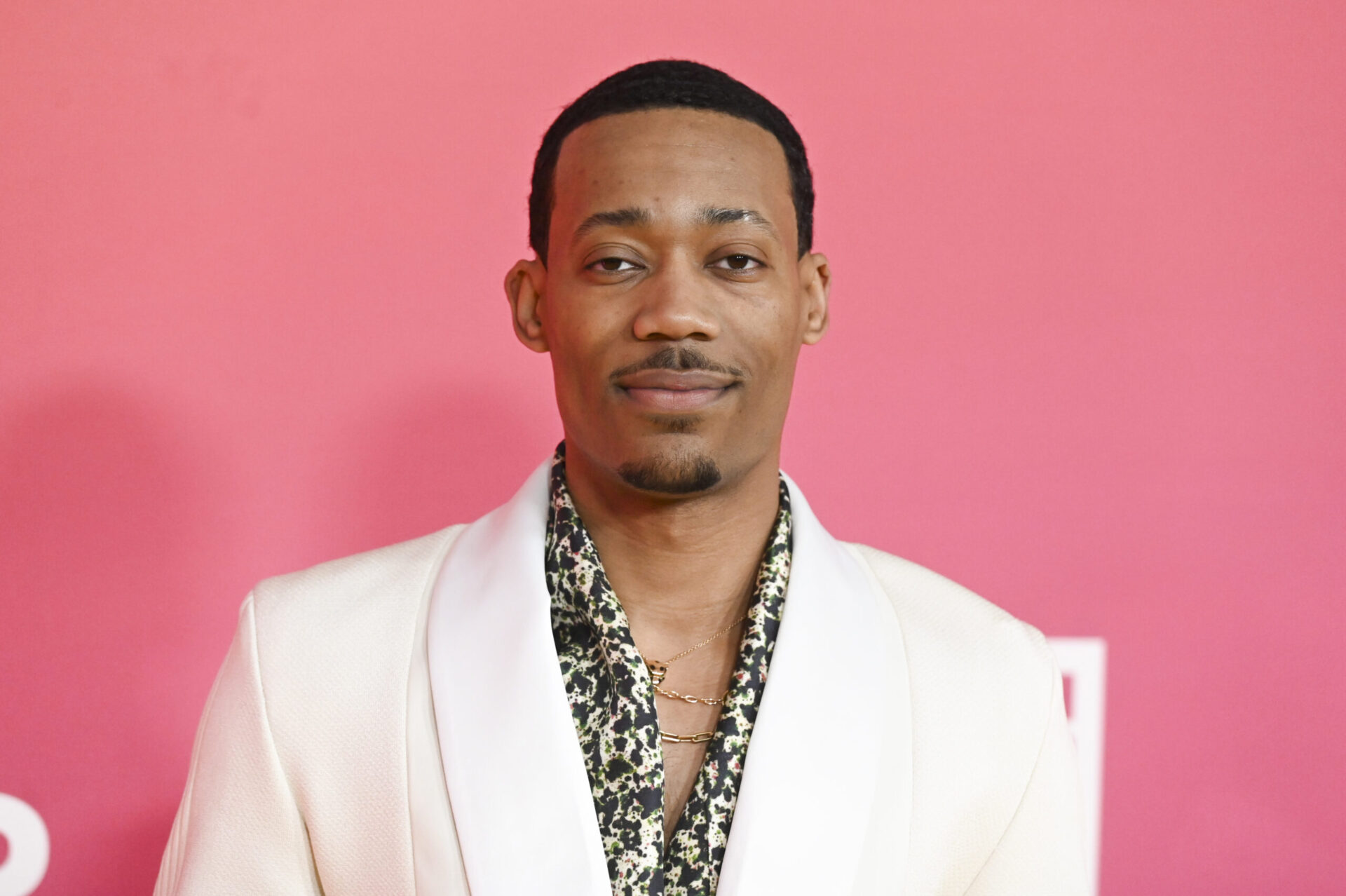
Award-winning actor Tyler James Williams’ on-screen portrayal in Abbott Elementary of first-grade teacher Gregory Eddie highlights the importance of having Black male role models in the classroom. However, his mission to ignite change within the education system isn’t just an entertainment persona but a passionate mission that extends offscreen.

In leading the charge, the former child star has partnered with the W.K. Kellogg Foundation (WKKF) to support educators in creating equitable learning and development opportunities for children nationwide. BLACK ENTERPRISE spoke with Williams alongside WKFF CEO and president La June Montgomery Tabron about systemic barriers, ways to empower the next generation, the importance of fostering cultural awareness, and in honor of hip-hop’s 50th anniversary, why hip-hop education in the classroom is beneficial. 

What is missing in today’s school system to ensure students are motivated to learn? 

La June Montgomery Tabron: Several things are missing in today’s school system because the structures are not established to support young people. We need a reorientation of the education system focused on the entire child development cycle, and we’ll find many interventions need to be in place. It’s all focused on the human interaction a child needs, inspiration, motivation, and critical learning tools. It’s a system that’s been broken for a very long time. I love Abbott Elementary as a show because it gives you that reality. It shows you the inadequacy and what we’re asking our teachers to do to fill a gap far larger than they are prepared to fill. Unfortunately, that’s the inadequacy of the system.

Tyler James Williams: Part of what’s also missing is a spotlight on what can be done. We often have a lot of conversations about the system and how it is failing, but then the conversation stops there. I decided to partner with the W.K. Kellogg Foundation because they’re working to make that change. We can shift this pessimistic view of where it is once we hear the stories of what is being done, and hopefully, we can get more support in the system, which is also missing. What Abbott Elementary does is humanizes teachers’ experiences in a way that makes it less of a political conversation and more of a human conversation. Through this show, people can connect the dots between the teachers in their community, their lives, and the Barbara Howards of the world.

Speaking of Abbott Elementary, if you could change one thing about your on-screen character’s teaching style, what would it be and why?

TJW: I wouldn’t change anything about his teaching style. Part of what I love about Gregory and his teaching style is it’s continually evolving as he figures out what his kids need, and that’s how you address inequity. There is no one way to handle any one thing or one kid. You have to be flexible and ask first, ‘What does that child need?’ ‘What does the community need on an individual level?’

That’s part of the conversation that has been missing is this opportunity to ask what is needed before dictating how it should be done. Hopefully, we can continue to do that work, and people can begin to look at it that way, that there’s no one right way to do anything. There is no one thing that every child needs. Every child needs something different. Every community needs something different. So I love that his teaching style is forever evolving.

Photo Courtesy: W.K. Kellogg Foundation

Regarding your on-screen character’s teaching style, it’s the 50th anniversary of hip-hop. Let’s say you’re putting together a curriculum for the school year and would like to bring the culture to the classroom to further connect with the students. What are a few reasons why hip-hop education in the classroom is beneficial?

TJW: Part of the reason that would be important is because it meets the kids right where they are. We saw this in one of the earlier episodes of Abbott [Elementary], where we have this conversation about vocabulary and getting kids involved with the vocabulary they’re used to. Hip-hop is a part of our everyday lives now. It’s important to meet kids where they are and make them understand how we got to where we are.

What would that hip-hop curriculum entail? 

TJW: I’m from New York, the birthplace of hip-hop, so I would start with KRS-One, LL Cool J, the people who laid the foundation of this so we can understand what it always was. It was a way to speak about the things in our community that nobody was speaking about and remind people their voices can be heard and can affect change. We screamed so loudly over hot beats that people eventually started to listen to our issues. The most important thing that would be driven home is that your voice matters regardless of how you use it, so use it to actually effect some good change.

We often hear about teachers’ mental toll and lack of funding. For somebody like me who wants to invest in children’s future, how can I go about and spark that change on a day-to-day basis?

LMT: That’s an excellent question because you’re a community resident and part of your community’s fabric. Your community needs you to be very much engaged in what’s happening with all of the local elections, school board elections, local mayoral races, and all of the places where you can use your voice to advocate for young people and equity of educational systems in your community. People are stepping up, and millages are now being passed in communities where people understand that access to resources and putting pressure on our public officials is critical. It’s not just looking for someone else to do what they need to do, but it’s everyone stepping up and doing what they can to improve and create equitable systems for young people, particularly in education.

CURLS Founder Mahisha Dellinger Is Helping Black Business Owners Turn Their Dreams Into A Multimillion-Dollar Empire

CURLS Founder Mahisha Dellinger Is Helping Black Business Owners Turn Their Dreams Into A Multimillion-Dollar Empire


Although Black consumer spending habits account for nearly $6.6 billion within the beauty space, it’s no secret that Black businesses have faced deep-rooted challenges regarding diverse representation and equity in the industry. With a lack of natural haircare products for curly-textured hair, Mahisha Dellinger noticed a void in the marketplace and sought to provide an effective solution for other naturalistas. Equipped with business knowledge and a tenacious drive to develop a quality line of products that catered to this untapped market, Dellinger left her corporate post and in 2002 launched CURLS

Initially, white corporate buyers did not believe in her brand, and she faced constant rejection. Now, 20 years later, the CURLS brand has proven its staying power as a pioneering force in an underrepresented market. Dellinger’s products are on store shelves from Target to Sally Beauty, Walgreens, and Walmart. To help other entrepreneurs avoid the pitfalls she once faced, the haircare expert created the Black Women Making Millions Academy, an MBA-style program that helps other business owners scale their brands for long-term success

BLACK ENTERPRISE spoke with the beauty architect about career transitions, establishing an emotional connection with consumers, and how to seamlessly navigate the pros and cons of building a brand from the ground up. 

BLACK ENTERPRISE: On the 20th anniversary of your brand CURLS and building a multimillion-dollar brand, what has been the foundation of your success?

Mahisha Dellinger: I always tell my mentees that having a plan, including a business, marketing, and strategy plan, is your roadmap. Many people go into business without those fundamental blocks, and we have great ideas and great work ethics but need that piece that keeps us on path to where we need to go. It’s critical because failing to plan is planning to fail, so start with that foundational work. 

You left your corporate career as a marketing manager to pursue your passion. What advice can you give someone looking for support while making career transitions into new spaces?

Only leave your day job once your side hustle becomes legitimately your main hustle. That side hustle needs to show that it can sustain growth and investment back into the company. It can pay for itself and reinvest back into it, but also pay for your lifestyle. Many people will jump into entrepreneurship, leave their day job, and then rely on their company to pay for their lifestyle.

I went from an office job to sales working for Pfizer Pharmaceuticals, which allowed me the freedom to stick and move in and out of my office and work on CURLS. It gave me flexibility and a full-time salary, and I could keep the household covered. Every penny made from CURLS went back into CURLS. I did that for about three or four years. 

I grew the brand organically because, at the time, I could not get a small business loan despite having exceptional personal credit and a strong business plan. Funding was hard back then, so I had to start scrappy. I worked every penny to the core because every penny spent was monitored to the nth degree. Wherever I planted a seed, I ensured that I would harvest it for the brand. 

CURLS, MAHISHA
CURLS’ Mahisha Dellinger.

A lot of people are talking about imposter syndrome these days. How do you build yourself back up in moments of self-doubt or adversity? 

That is a struggle for most entrepreneurs. I’m glad we’re being transparent today. Entrepreneurship is often glamorized. It’s hard, but I’d rather do this than work for someone else. You will have days where you feel beat down if you don’t meet a goal, a product launch fails, or you hope you land this account and don’t. Many things can go wrong, but I have to remember my why and remind myself of the wins when I’m in the midst of those heavy days.

In a world where marketing is crucial to any e-commerce success, especially within social media, what strategies have you implemented to ensure seamless branding and establish an emotional connection with your customers?

Regarding emotional connection, like any other Black female or Black business founder-based business, you have to connect with the consumer by bringing a piece of you to the brand. The CURLS consumers see Mahisha, and I’m touchable. I’m at events. I’m sampling with them. Like other Black-owned brands, we are more connected because we are more accessible, because being accessible is important. You will not see the founder of Pantene because a single person does not own Pantene, but you can walk up and see all these different Black hair brands and meet the founders. So, connectivity is essential.

I know all the different brand owners in this space, and you see every one of our personalities in our brands, and that’s the connectivity too. Being transparent, being accessible, and touching the consumer is super important. Branding is having the right talent and connecting all those teams. It’s all spaghetti, so it all should touch. There shouldn’t be separate pockets of people working independently. They need to be connected and unified, working for one mission, vision, and goal.

What mark do you hope to leave on the industry as a whole?

My goal is to leave behind a legacy for my family and children and a legacy roadmap. Only some people want to be an entrepreneur, so for my children I want to make sure I leave the legacy behind that “my mom did it against all odds.” For the brand itself and my consumers, what I want to leave behind is almost similar to that of other Black young women or girls; if I can do it, so can you. Nothing in this world will hold you back if you don’t allow it to. Reach deep into who you are and to yourself, to your strength, pull it out, and make it happen. Only you can stop yourself. 

la la anthony, passion, LaLa

La La Anthony Shares Her ‘Power’ Moves On How An Unpaid Internship Led To Her Longevity And Success


La La Anthony is no stranger to creating the ultimate “Power Playbook” and playing by her own rules to sustain longevity and harness reinvention to stay at the top of her game. At just 16 years old she began planting the seeds of success, landing an internship at one of Atlanta’s most popular radio stations. The grit, grind, and tenacity didn’t stop there. She secured the coveted hosting gig as an MTV VJ for “Total Request Live” and hasn’t slowed down since, landing acting roles in the Think Like a Man franchise, Power, The Chi, and Black Mafia Family (BMF). Outside of being in front of the camera, Anthony is busy making moves behind the scenes, whether building her haircare brand, “Inala,” putting on her Broadway producer hat, or using her star power to secure partnerships with brands willing to amplify Black businesses. 

The television personality sat down with BLACK ENTERPRISE to discuss creating a competitive advantage in business, learning to avoid burnout, entrepreneurial roadblocks, and discovering your passion. 

Why was it important for you to partner with Now and Later for their “Pause Now, Hustle Later” campaign?

La La Anthony: It was important because I am learning and understanding the importance of self-care. I came from the mentality of work, work, work, grind, grind, grind, which is a beautiful trait to have, and it’s great to be that passionate and that driven, but it’s also understanding that in life, it’s about working smarter, not necessarily working harder. 

I also love that with this partnership, reminding people to “Pause Now, Hustle Later,” we get a chance to highlight Black-owned self-care brands. Anytime there’s a chance to highlight Black-owned businesses and give them some shine, I’m always excited about it. 

Why is self-care so important for Black women, especially now?

Just the state of the world right now. There are so many crazy things going on that we have to continuously check in on our mental health, check in on us slowing down and taking care of ourselves. Also, check in on each other because they always say, “Check on your strong friends,” because you might look like you have it all together, and inside, there are a lot of other things going on.

Let’s switch gears and discuss the biggest challenge you had to overcome as a businesswoman to get your haircare brand Inala off the ground.

In the beginning, money is spent before you see anything coming back. But you have to believe in the brand to get through the beginning stages of trying to get it off the ground. In some cases, you’ll have these brands where they hit immediately and go crazy, and some are a slower build. Initially, the challenges were “How do I stand out? There are a million haircare brands. What am I going to do that’s different? What will make people like my product when they have all these other options?” 

I’m glad you mentioned that because people assume otherwise from the outside looking in. You’re La La, and you have this platform with millions of followers, but you are still figuring out and asking yourself, “How do I stand out above the rest.”

Of course, because there are so many products and choices out there. What will make people choose what I’m putting in the marketplace instead of something else? It’s challenging, but you get through it. You work hard, and when you’re passionate about something and believe in it, that will push you through some of those trials, tribulations, and bumps that happen along the way.

You said the keyword passion because people can put products out there, but your consumers can read through it if it’s not authentic to you and whether or not you are passionate about it. 

Very true. That is a very true statement. 

Like so many women, you’re balancing a busy schedule as a mom, a businesswoman, creative, and just being La La. What practices do you suggest for other women to do if they’re feeling stuck right now?

I try to delegate my time better, look at everything going on, and say, “I probably have too much going on when I’m feeling stuck.” What’s happening is I’m focusing on everything, but I need to focus more on one thing. Sometimes it’s about narrowing it down to one thing, focusing on what’s doing well or driving you and putting your time and energy into it instead of having a million things going on. 


View this post on Instagram


A post shared by LA LA (@lala)

Entrepreneurship is a journey full of ups and downs. What is one fundamental question every person should ask themselves before embarking on their entrepreneurial journey?

The question is, is it something that you’re passionate about? Would you do it if you weren’t getting paid for it? That’s really a question because you have to be passionate about it to not give up and get through the ups and downs. You have to believe in it so much that it would be something you would do if you were doing it for free. 

That’s how I look at it. I understand that nobody wants to work for free. I’m not saying that, but I’m saying that passion and mindset will push you through all the ups and downs of creating a new business. 

Didn’t you have unpaid internships early in your career?

That’s how my career started. That’s why I talk about it, and I know it’s not such a big thing anymore. But in the beginning, I was doing a lot of internships and not being paid for them, but the experience and what I learned ended up making me so much more money in the end. The people who took jobs at that time for money didn’t sustain themselves or didn’t get to where I was because, for me, it was about learning. It was about understanding. 

Sometimes you have to learn before it’s about, “Oh, I want to make money. I want to do this.” 

Well, what do you know about this space? What do you know about this brand? What do you know about your competitors? What do you know about formulating a product? What do you know about any of this? You have to learn it first.

Through the years, you’ve continued to thrive, break down barriers and build a name for yourself. What keeps your creative spark alive? 

I always think, “OK, what’s the next transition for me? Or “What’s something I haven’t done, but it’s still in my wheelhouse?” I never get bored because I don’t stay in one place or mindset for too long. I’ve gotten good at constantly reinventing myself. 

self-care, vanessa simmons

Vanessa Simmons Is Taking Self-Care To A Whole New Level With Wellness Brand, ‘U4IA’


Vanessa Simmons has steadily built a growing platform outside her famous family’s name. Since our 2005 introduction to the oldest daughter of hip-hop pioneer Rev. Run on MTV’s hit show Run’s House, Simmons has transitioned from reality starlet to mom, actress, entrepreneur, and creative director. The ever-changing landscape following the 2020 pandemic redefined the notion of self-care for the former Project Runway judge, prompting her to take a deep dive into the wellness space. Her findings inspired the birth of U4IA, a health hub dedicated to helping others establish an inside-out revolutionary approach to their mind-body- soul interconnectedness. 

Ahead of International Self-Care Day, BLACK ENTERPRISE sat down with Simmons to talk about the inspiration behind her latest business endeavor, the importance of showing up for one’s community, and how growing up in an affluent family has never stopped her grind, hustle, and motivation to succeed on her terms. 

BLACK ENTERPRISE: What was the driving force behind starting your health and wellness brand, U4IA?

Vanessa Simmons: U4IA started from my love of self-care. People have one image of self-care, and it’s more than massages, facials and getting your nails done. That plays a part in it. But the biggest part of self-care is how you’re taking care of yourself, talking to yourself, and caring for your body. I wanted to educate people and play off the notion that you don’t have to break the bank to live your best life. We wanted to start a health and wellness brand that gives everyone, especially people of color, the necessary access to optimize their health from the inside out. U4IA is a hub spot of information and interviews with a council of healthcare professionals, skincare enthusiasts, and all things health on how you can go on a euphoric health journey. In 2020 we saw that more than ever, health is the highest currency of wealth, and I wanted to expand on that.


View this post on Instagram


A post shared by Vanessa Simmons (@vanessajsimmons)

Did 2020 redefine your notion of self-care?

Absolutely, because we couldn’t go into the spas, and we were at home, seeing all of the health scares.  That’s when I went into a deep dive into the wellness world. There are a lot of platforms out there, but sometimes people of color get left out of that narrative. I wanted to create a space that felt accessible for everybody and to show people realistic things they can do, whether it’s showing people how to utilize deep breathing to help your nervous system, deep breathing to revitalize your body, the benefits of having fruit on your stomach first thing in the morning, or putting eucalyptus in your bathroom. It’s about so much more than an aesthetic. I want our people to have the knowledge to thrive. I hope that people find the information we share helpful and know that we will continue sharing it until I see it impacting my community.

You’ve come from a reality television world but have also stepped into modeling, acting, and being a businesswoman. What advice can you share for other women who want to make a pivot in their careers?

It’s never too late. Everyone always feels there’s a certain deadline for goals and dreams, and there’s not. It’s putting one foot before the other, stepping out, and overcoming your fear. 

Journaling plays a huge part in keeping me organized: putting the vision on paper, and making it plain. Once you see it there, you can actualize and manifest it. If it’s something that will bring you joy and happiness, go for it, and don’t worry about any other factors. Showing up for yourself is half of the battle.

We were introduced to you in 2005 with MTV’s Run’s House. It seems there was a lot of pressure on your shoulders to create a name for yourself outside your family. What would you tell your younger self then?

To not overthink it and to take it one day at a time. Back then, I lived in the future a lot. If you live in the past it will give you anxiety. You live in the future and then you’re not truly in the present, and you can’t give yourself to it. That’s something I learned as a mother: to be patient and to be in the present, because this is the time we have. We’re not in the future yet, so make the best of your time right now and enjoy it.

I missed out on celebrating little things and small wins because I was worried about the bigger picture when those are all a part of your story. To other young people looking to make an impact in their various fields, stay present, stay thankful, stay grounded, and keep on moving. 

Rev. Run and family visit MTV’s TRL at MTV Studios in New York City in July 2008. (Dimitrios Kambouris/WireImage)


I read that you went back to Pastry, the footwear line you started with your sister [Angela Simmons], in 2020, and you experienced racism and sexism and ultimately decided to leave.

I am going to leave that alone. We are all about looking toward the future. I’m very excited to be building U4IA and offering people something fresh and new in the wellness space. Maybe we’ll get back to doing sneakers and fitness wear, but I want to look forward in a positive direction. Pastry was an amazing starting point as an entrepreneur for me and my sister. I learned so much, and it was a huge blessing. It was an incredible journey that me and my sister shared, and we did some impactful stuff, and I’m very proud of it.

Lastly, how is legacy defined for you, and what would you like yours to be?

When it’s all said and done, I would like my legacy to be someone who inspired people to be the best possible version of themself. It doesn’t go over my head that I’ve come from a very privileged background. I’m very lucky and have been very blessed. I always want to be a source of inspiration, inspiring and encouraging people to be the best possible version of themself in any field they’re in, and with every project I take, I’m hoping that it reads that message.

RELATED CONTENTVanessa Simmons Launches New Swimwear Line

steelers, santonio Holmes, Sickle cell disease

Santonio Holmes Turns Trials Into Triumph And Spreads A Message Of Advocacy For Those Living With Sickle Cell Disease


Former Pittsburgh Steelers wide receiver Santonio Holmes has encountered many wins, from being a first-round draft pick to helping his team secure a Super Bowl championship, subsequently, being named Super Bowl XLIII MVP. Although his athleticism on the field is widely known, since retiring from the game on Oct. 10, 2017, winning off the field has taken on an entirely new meaning. His connection to sickle cell disease through his oldest son, who lives with the condition, ignited his focus on raising awareness to spread a message of advocacy, as nearly 1 in 13 Black babies carry the sickle cell trait (SCT). 

BLACK ENTERPRISE caught up with Holmes to discuss key moments from his career, his life post-NFL, and using his platform to educate the Black community on ways to become more involved in supporting those living with sickle cell disease. 

What does it mean to you to have a longstanding partnership with St. Jude Children’s Research Hospital and raise awareness around sickle cell disease?

Santonio Holmes: It’s a blessing and an opportunity to use a voice given to me through the NFL for becoming a Super Bowl MVP and having such an impact that was near and dear to my heart, which was sickle cell disease—and having a son that was born with the condition where he could not play any sports growing up. I knew how hard it was for kids living with the condition to be able to survive in our world today. 

As I continued to research and educate myself on sickle cell, St. Jude became one of those faces that popped up constantly. You would see all the infomercials about how you could save and change a kid’s life by donating. I used to overlook those commercials as a kid. Once I realized that it became a serious issue in my life, I wanted to be a voice for people who had no opportunity.

What is the most significant barrier to people’s understanding of sickle cell?

There needs to be more knowledge and understanding of how it affects the people living with the condition. Living with sickle cell can be difficult for many people who are anemic, suffering from being out in the heat too long, or understanding that they can’t play sports as frequently as most people can. They get tired quickly and very cold instantly. 

There is no cure at this moment. To know that sickle cell is a fighting disease in our community, we need to be more aware of how we can go out and support by donating blood so that our kids and patients can receive blood transfusions from more African Americans. That’s one of the biggest things I’ve been most concerned about.

Thank you for sharing that with our audience. I want to shift gears and discuss your career. What would you say was the most difficult decision you had to make to pursue your destiny of becoming a Pittsburgh Steelers wide receiver and Super Bowl MVP?

Understanding the process and what it takes to change because, for many people in our world, we are stuck in our ways. We like the things we like, but understanding that when you allow yourself to grow through those changes, it’s God’s way of showing you how prosperous you can be. I’ve accepted all of those changes in my life. For instance, I left my son to play college ball at Ohio State from Florida. I had to make that sacrifice, and I understood that my preparation prepared him for a better life because I took on those chances of wanting to change.

What do you mean to the Steelers’ culture and the overall fabric of the organization?

Wow. First of all, I’m just thankful for having a dream and wanting to play for the Pittsburgh Steelers when I was a kid. They gave me an opportunity to be drafted there, and I’m very blessed to have teammates with a winning culture that wanted to win Super Bowls. 

Speaking of winning, what does it mean to win in life, both on and off the field?

To win on and off the field in life is to support the people around you that surround you in the field of focus you’re involved with. Whether it’s sports, business, being a nurse, a caregiver, or an animal lover. Be more consistent in helping those people to help you. That’s just a part of the journey we learn to live when we are involved in a culture like Pittsburgh.

Since your retirement, what have you missed the most about the game or being in the league?

I would probably say the sign language because as I continue to live out these days of missing the game, it was the silence we created among ourselves and the language we had that we communicated to each other in the way that we understood what needed to be done. One of the things I miss the most is building that relationship with my teammates that was in code because of your surroundings of being in the atmosphere where people and eyes are always around you. You had a way of communicating, which gave me a better understanding and support for being a part of the game.

When people hear Santonio Holmes’ name for generations to come, what’s the first thing you want to come to their minds?

Respect. Just being who I am, wanting to be a person in the world that could support so many other people, and having a goal, love, and passion for people. Gaining and earning respect is something I’ve always tried to be able to deliver when I’m around people.


RELATED CONTENTFaces of Sickle Cell: NFL Player Tevin Coleman and Wife Akilah Connects Black Community With Sickle Cell Resources

Deborah Roberts Reflects on Childhood, New Book, and Advice She Would Give Her Young Self


Award-winning journalist Deborah Roberts has tackled stories from the White House to the Royal Family’s King Coronation.

Now, she is on a mission to share the stories of teachers across the nation and the monumental impact they can have on the trajectory of one’s life. With teachers leaving the classroom in record numbers, the teaching profession’s status is at its lowest in five decades. The reasons are that many feel overworked, underpaid, and undervalued, according to researchers at Brown University and the University at Albany. 

Roberts believes the time is now to shine a bright light on the life-changing work of educators with the release of her new book, Lessons Learned and Cherished: The Teacher Who Changed My Life. The curated collection of essays, featuring the help of celebrity friends from Spike Lee to Ava DuVernay and Oprah Winfrey, features unique stories on how particular professors throughout the contributors’ lives imparted life lessons both inside and outside school walls

Recently, BLACK ENTERPRISE virtually chatted with the ABC News Senior National Affairs Correspondent to discuss leadership qualities, advice she would offer her younger self, and how she hopes her new book will resonate with audiences. 

BLACK ENTERPRISE: At this particular stage in your life and career, why was this the right moment to author this book?

Deborah Roberts: It was one of those things that happened to come together at the right time. Teachers are under a lot of stress right now and dealing with a lot in terms of job satisfaction, and they are experiencing a 50-year low. I know that teachers are under the gun, feeling discouraged, dissatisfied, and devalued, and I thought, “This is a great moment to highlight teachers and remind us all about what they mean to us.”

Deborah Roberts, new book
(Photo: Andscape)

You spoke a great deal about your parents throughout the book and dedicated it to “Mom and Daddy.” What is a guiding principle you carry from your parents that has shaped your life?

DR: When I think about my parents, I think about how they grew up in the Deep South during the Jim Crow era during segregation. They didn’t have the kind of opportunities I had, so I knew they would be so proud of my career and the idea that I was going back and exploring my life through this book and putting something out in the world. 

They’ve passed on, but my parents taught me humility is very important, treating people respectfully and working hard. Those are values they imparted to me, which are traits I carry with me and have a lot to do with my success in this business.

As an award-winning journalist for a major television network, how do you define yourself as a leader?

DR: That’s a very good question. I’m not always aware and don’t always think of myself as a leader when I walk into a room. Still, I work with people looking for occasional guidance. More than anything else, I make sure I lead the path with grace and all the things that matter to me. I’m always aware there are people around me, younger people who are new in this business, but also people who’ve been in a while, who might be watching me and looking to me for leadership qualities. I try to rise to that occasion and do what I can to ensure I’m setting a good example and a high bar of excellence.

deborah roberts, new book
(Photo by: Nathan Congleton/NBC via Getty Images)

What does it mean to you to have the platform to talk openly and candidly about your son’s learning disability and emotionally connect with others who share a similar experience? 

DR:  We don’t own it in any formal way. We just put ourselves out there because Al [Roker, her husband] and I have a unique opportunity to speak out about our struggles, strengths, and apparent things in our lives. One of them is that we have a son who deals with learning challenges and developmental disabilities.

We were talking about Nick, now 20 years old, when many people didn’t want to talk about their children not being perfect. We both thought it was a unique opportunity to bring people into conversations and normalize the idea that no family is perfect. We see it as normalizing conversations to talk about family struggles, strengths, and things people don’t always want to talk about because they feel like somehow it brings some weakness upon them. 

If you could go back in time, what advice would you give a young Deborah as a Black woman stepping into womanhood and embarking on her dream career path?

DR: To a young Deborah, “You are more than capable. You are more than ready, and you are more than smart.” Early in my career, I had imposter syndrome. Many of us have that moment where we feel like, “Maybe I’m not quite as good as I think I am?” Or somebody said something to you that left you wondering whether or not your reporting was really on par.

I now realize I had the goods, the curiosity, and the passion, but I needed the experience to eventually hold my own with the big names in the business. I would also tell myself, “You’re ready. You can do this, and although it’s going to take a while, you’re going to be prepared and have what it takes.”

RELATED CONTENT: Tyler James Williams Wants Role in ‘Abbott Elementary’ to Represent Black Men Educators

Cast Of ‘Spider-Man: Across The Spider-Verse’ Opens Up About Real-Life Superheroes


How do you follow up “Spider-Man: Into the Spider-Verse,” an Oscar-winning best-animated feature that grossed over $380 million? Almost two weeks into its theatrical release, the highly-acclaimed sequel to the franchise, Spider-Man: Across The Spider-Verse, has instantly become a blockbuster hit, shattering box office records and skyrocketing to the top spot.

With an ensemble voice cast, including Issa Rae as Spider-woman Jessica Drew, Luna Lauren Velez as Rio Morales and Brian Tyree Henry as Jeff Morales, BLACK ENTERPRISE sat down with these spidey superheroes to talk about the preparation for bringing their animated characters to the big screen, real-life parallels and the strength and empowerment their on-screen characters exemplified which has resonated with audiences worldwide.


In tackling your role, what would you say your character taught you about yourself?

Luna Lauren Velez: I based Rio [Morales] on my mom, and I hoped to be the same parent my mom was. It taught me what it takes to raise a young man. You have to give up in some ways, a part of yourself and a part of your life, to help, specifically this young Afro-Latino man, to make sure he navigates his way in the world confidently. Also, ensuring that he knows he’s loved and has the power to be anything he wants because it lies within himself. That realization that you can, as a human being, help someone understand their own power is really what I’ve learned in this movie.


View this post on Instagram


A post shared by Spider-Verse (@spiderversemovie)


In your eyes, who was your real-life superhero growing up?

Issa Rae: My mom, and as I’ve grown, she has been a constant staple. But then I think about so many of my teachers. I have several superhero teachers who have been absolutely amazing, especially when you think about how undervalued they are. I would not be here without so many of my incredible teachers.


The impact of teachers is so invaluable, and they don’t get the credit they deserve, but they have a tremendous effect on many people’s lives.

IR: They are taken for granted, and the good ones will literally make your life. I think about so many of the teachers from my past, and so much of the encouragement I’ve received with what I’m doing today has come from the foundation of the best teachers. 


What did you learn and love the most about voicing Jeff Morales’ character? 

Brian Tyree Henry: I learned from Jeff that he’s very kind, loving, funny, and loves his wife. Watching his son grow up, he’s also discovering many things about himself. There’s also that brotherhood connection between him and his late brother, a sense of responsibility. But I also tried to portray him as the father I wish I had seen while watching films like this. In hindsight, movies like this didn’t exist. When I get a chance to play a Black father, I want to make sure the portrayal is relatable and obtainable and what I wish I had seen because I didn’t receive a lot of those reflections. I didn’t have many Jeffs, so I wanted there to be kindness to him.

There are also these moments where you see him not knowing what to do. There’s a wonderful scene between him and Spider-Man talking on a pier where he asks, “My son, what would you do? I wish I could reach him, and I don’t know.” It’s so beautiful because he is talking to this person who is his son, and he doesn’t know that, but he’s still trying to figure out a way to reach him. I want there always to be that kind of wonder, and that’s what I loved the most about playing Jeff. 


View this post on Instagram


A post shared by Issa Rae (@issarae)

From your perspective, what makes a real-life superhero?

IR: A real-life superhero has selflessness and a genuine desire to make the world better. Through their acts of kindness and consideration, I know many real-life superheroes, and I admire that.


What steps did you take to fully understand the depth and importance of your character in this story?

IR: Thankfully, I didn’t have to do as much research because I am such a big fan, and so much of the Spider-Man universe is embedded in my core. But for my character in particular, I could ask the filmmakers directly because this was a hybrid creation of Jessica Drew and Spider-Women. Internalizing their intentions and thinking about the film’s mission really helped inform my performance.

RELATED CONTENT: Issa Rae to Join Shameik Moore in ‘Spider-Man: Into the Spider-Verse’ Sequel

Philip Bailey Of Earth, Wind & Fire Reflects On His Storied Career And Shares The Keys To His Success


Songwriter, musician and lead falsetto vocalist Philip Bailey rose to prominence as an integral member of Earth, Wind & Fire. Critics have widely recognized the group’s unformidable force in dominating the airwaves with timeless hits, dubbing the band “The Black Beatles.” Amassing legions of fans across genres and generations, and influencing artists such as Mary J. Blige, Usher, Beyoncé and Janelle Monáe, is a testament to the legendary group’s undeniable impact. 

With more than five decades in the industry, Bailey continues to utilize his platform to uplift, empower and advocate for other artists and foster care youth.

Through his Music is Unity foundation’s Backstage Soundcheck program, foster care teens are invited to attend backstage sound-checks while on tour, introducing kids to various facets of creating a musical production.

In honor of Black Music Month, BLACK ENTERPRISE spoke with the Rock & Roll Hall of Fame inductee to learn more about his foundation, storied career and the indelible mark he has made through his art and advocacy.

Let’s talk about your Music is Unity foundation. Can you tell me more about why foster care advocacy is so near and dear to your heart?

Philip Bailey: My daughter and I created the foundation about 15 years ago to provide financial resources, mentorship, and support to youth aging out of the foster care system. Such a large population of kids are left to the wolves. I’m a father of seven and a grandfather of seven. I can’t imagine my kids having no one to turn to, no support and being thrown into this cruel, cold world. A portion of our Earth, Wind & Fire ticket proceeds go to “Music is Unity,” and we fund different organizations helping and supporting foster youth with their needs and necessities.


Aside from donating, what can others do to help enhance the lives of children in foster care?

People can get involved in their communities with foster care agencies because people everywhere need support and encouragement. The sad thing about this is foster youth find themselves in situations by no fault of their own.

Can you take us back to when Earth Wind & Fire was in the studio writing and recording songs such as “Keep Your Head to the Sky,” “Reasons” and “Fantasy”? Did you realize then that these songs would resonate for generations to come? 

Well, we were young enough and had yet to have any prior recording experience except for Maurice. We wanted to make the best music because we were inspired by the greats that came before us. We were trying to pass the test and make music that resonated with us. We had the great Charles Stepney, our co-writer, producer, and a great mentor who helped us understand what we were doing. We were signed to Columbia Records with Clive Davis. He was someone who championed our musical aspirations.


View this post on Instagram


A post shared by Philip J. Bailey (@philipbaileyewf)

Is there a record from your catalog with your group or solo that you think should have been a bigger hit?

The first one that came to mind was the Faces album for Earth, Wind & Fire. That should have been more successful because it was a good record. I did a record a couple of years ago called “Love Will Find a Way,” and I had a lot of wonderful young musicians who were great in their own right on that record. I would’ve liked to have seen that do a lot better. But it is a different day. It’s a different time. Music doesn’t fill the space it used to because there’s so much vying for our attention. We have hundreds of stations on the television, the internet, and your phone. People don’t sit down and listen to music the way we did.

Who are some of the current artists that you admire?

Lucky Daye because he’s a very talented singer and musician. I love Gregory Porter and Christian McBride, and there are many other different artists that I really like.


What skills or personal attributes do you think are most important to be successful in sustaining career longevity?

Career longevity comes from having empathy, tenacity, and the ability never to stop learning because we’re all students of life.


What has been the most challenging part of your journey so far?

One of the most challenging parts is staying humble, grounded, and not believing your own press.


Your career has evolved so much throughout the years. What do you want your art to say about you when it’s all said and done?

I want my art to say, “He lived his life in a way that was a positive contribution to society and a blessing to his creator.”

RELATED CONTENT: Jaia Thomas Teams Up to Launch Black Music Database to Increase Job Opportunities for Black Professionals

Planned Parenthood Sues Kansas Over Abortion Reversal Claims

Planned Parenthood Sues Kansas Over Abortion Reversal Claims


Planned Parenthood on Tuesday sued to block a new Kansas law requiring healthcare providers to tell patients that medication abortion can be reversed, a potentially dangerous claim not supported by evidence.

The lawsuit in the District Court of Johnson County, filed against state and local authorities on behalf of a group of doctors, also challenges older mandates requiring providers to warn patients that abortion is linked to breast cancer, and to wait at last 30 minutes after meeting with a patient to perform an abortion.

Reviews of evidence by the U.S. National Cancer Institute have concluded that there is no link between abortion and breast cancer.

The office of Kansas Attorney General Kris Kobach did not immediately respond to a request for comment.

Kansas Republican lawmakers passed the medication abortion reversal bill in April, amending a longstanding law that already required a raft of mandatory patient counseling and a waiting period before abortions. The legislature later overrode a veto by the state’s Democratic governor, Laura Kelly.

Medication abortion involves taking the drug mifepristone followed by misoprostol. The Kansas law requires doctors to state that the effect of mifepristone, before misoprostol, can be reversed with a high dose of the hormone progesterone.

The only clinical trial of the process was halted early after three of 12 patients experienced severe bleeding requiring them to go to the hospital.

Planned Parenthood said in Tuesday’s lawsuit that requiring doctors to suggest “experimental and potentially dangerous treatments violates medical ethics and subjects plaintiffs to potential disciplinary action or liability.”

It also said the entire patient counseling law for abortion “undermines the principles of bodily integrity and decisional autonomy that underlie the doctrine of informed consent,” and violates doctors’ free speech rights.

Medication abortion has been in the national spotlight since a Texas federal judge suspended mifepristone’s approval in April. The U.S. Supreme Court has put that ruling on hold while the Biden administration appeals.

Many Republican-led states have banned abortion since the Supreme Court eliminated the federal constitutional right to abortion last year. Abortion remains legal in Kansas.

(Reporting By Brendan Pierson in New York, Editing by Alexia Garamfalvi and David Gregorio)