Student athletes, black athletes, cardiac arrest

Why Black Athletes Should Invest In Commercial Real Estate To Secure Long-Term Wealth

One option is securing long-term wealth by buying back the block.


As Black athletes break new ground in their professional sports careers, they also have an unprecedented opportunity to shape their financial futures. While lucrative contracts and endorsement deals provide substantial income, the volatility of athletic careers means it’s crucial to build long-term wealth beyond the sports arena. One of the most promising avenues for this is investing in commercial real estate (CRE).

Here’s why new Black athletes should consider commercial real estate as a cornerstone of their investment portfolio.

Investing in commercial real estate offers a stable, passive income stream that can extend well beyond an athlete’s playing years, according to one expert. Commercial properties, such as office buildings, retail spaces, and industrial complexes, generate consistent rental income, providing a reliable source of revenue regardless of the athlete’s active status.

“Over the years, we’ve seen so many stories of Black athletes getting big contracts today and going broke tomorrow,” ARVO Small Business CEO Ed Ryland shared with BLACK ENTERPRISE. “And now that college athletes can benefit from NIL agreements, it’s even more critical that they learn early how to secure their financial future for when their playing days are over. Investing in commercial real estate is a great way to do that.”

The beauty of commercial real estate is that property values generally appreciate over time, allowing investors to capitalize on both income and asset growth. For new Black athletes, this means leveraging their current earnings to secure properties that will grow in value, ensuring financial security and prosperity in the long run, noted Ryland.

“Real estate investment is not just about the immediate returns, but about creating a legacy of wealth that can benefit athletes and their families for generations,” added Ryland. “It’s about making smart financial choices today that will pay off in the future.”

Investing in commercial real estate can also serve as a powerful tool for community empowerment. Some Black athletes have been known to “buy back the block” in their old neighborhoods, which helps to revitalize communities in need. These transactions also assist with job creation, improve local infrastructure, support small businesses and create a positive impact that extends far beyond individual financial gain.

“Investing in commercial real estate allows athletes to give back to their communities by driving economic growth and creating opportunities,” said Ryland. “It’s a way to use their success to make a tangible difference in the lives of others.”

One of the most attractive reasons to invest in commercial real estate is the tax benefit. We’ve all heard about wealthy business owners who pay very little in taxes. That’s because depreciation, mortgage interest deductions, and various other write-offs can reduce taxable income, allowing investors to keep more of their earnings. These tax advantages can be particularly beneficial for athletes who are often in higher tax brackets due to their substantial incomes.

Whether you’re a professional athlete or not, Ryland advised those interested in commercial real estate investing to call on a professional to help them navigate the complexities of property investment.

“This isn’t something you want to do without the expertise of a professional who can help you with negotiations, market analysis, property management, and other aspects of the commercial real estate world,” Ryland said. “These partnerships ensure that athletes make informed decisions, maximize their investment potential, and manage their portfolios effectively.”

RELATED CONTENT: What Are The Top 10 Cities To Buy A Home In The United States?
ChurchSpace: Transforming Houses Of Worship Into Vibrant Event And Community Spaces

ChurchSpace: Transforming Houses Of Worship Into Vibrant Event And Community Spaces

ChurchSpace's concept is a game-changer in the world of event planning.


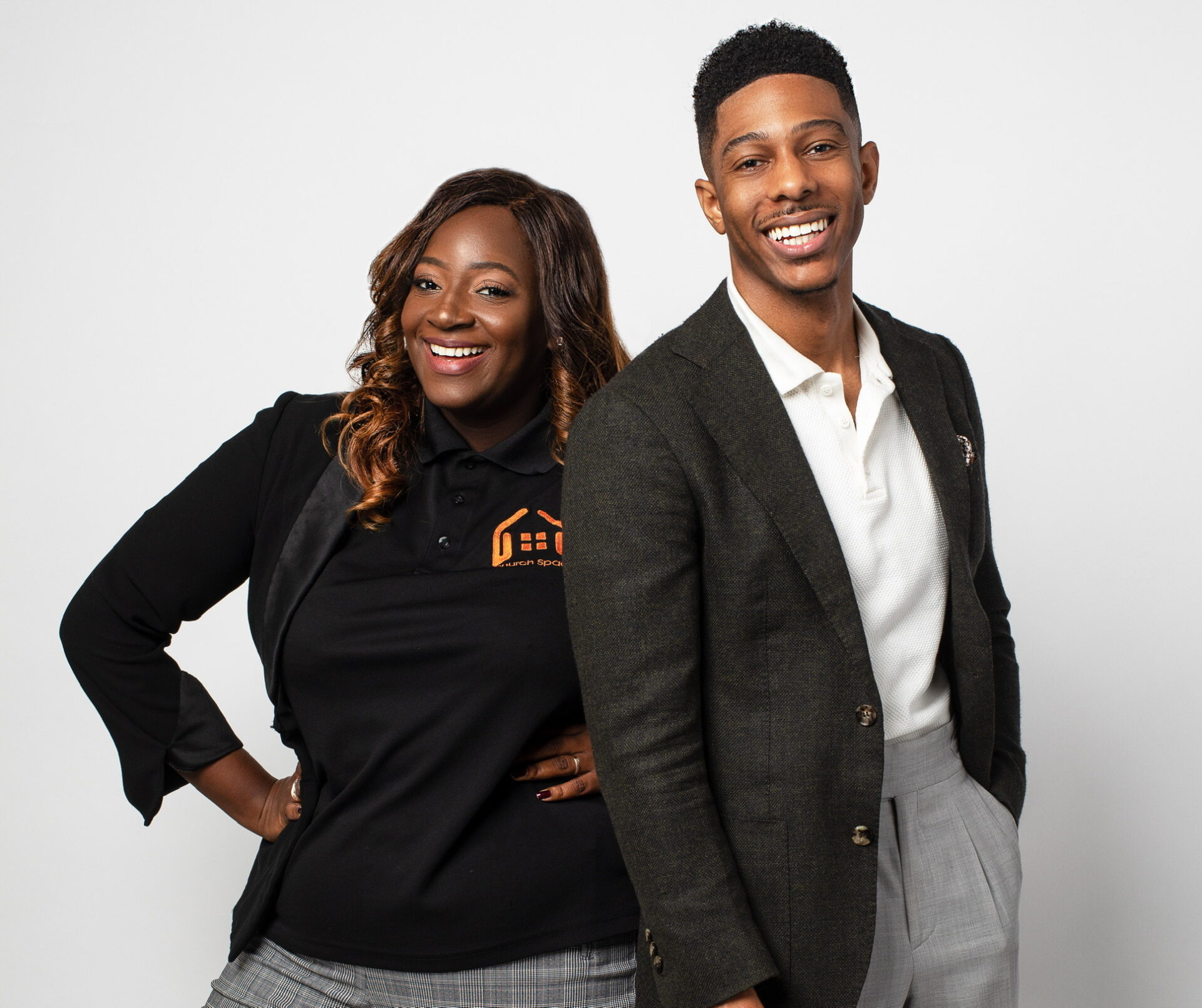
When it comes to finding the perfect venue for your next event, you might want to head to church. Day Edwards and Emmanuel Brown, the co-founders of the innovative online platform ChurchSpace, are on a mission to change the way we view and utilize houses of worship, transforming them into affordable, vibrant event and community spaces.

ChurchSpace’s concept is a game-changer in the world of event planning. By combining the underutilized spaces of near-empty churches with an Airbnb-style business model, they’ve created an innovative online portal set to disrupt the small event marketplace. Founded in 2019, ChurchSpace has been gaining momentum, and its recent expansion into the Dallas market and the unveiling of a revamped website mark a significant milestone in its journey.

“ChurchSpace is a mission-driven marketplace that empowers churches to breathe new life into their spaces. We’re all about creating opportunities for community engagement, collaboration, and growth,” Brown said. “Our platform enables churches to unlock the potential of their underutilized spaces while also providing food entrepreneurs, event organizers, and community members access to unique venues.”

Edwards and Brown, both children of pastors, witnessed firsthand the challenges faced by church leaders in maintaining their congregations and serving their communities. This personal experience laid the foundation for ChurchSpace. The goal is to create a revenue stream for the churches while remaining in compliance for nonprofit organizations.

“Churches offer a unique combination of diverse spaces and widespread availability, making them ideal for various community uses,” said Edwards. “From fellowship halls to gymnasiums and auditorium-style seating, churches provide an unusual blend of spaces under one roof. Expanding into Dallas represents a natural progression of our company.”

Since its founding four years ago, ChurchSpace has garnered the attention and support of tech giants such as Google and Amazon. Google awarded ChurchSpace $100,000, mentorship, and programming support as part of its Black Founders Fund program. Amazon selected ChurchSpace for its inaugural AWS Impact Accelerator for Black Founders initiative. The business has also attracted several investors and is poised to expand into additional markets in 2024.

So the next time you’re looking for a venue to host your women’s summit, fraternity conference, baby shower, or any number of other events, you may only have to look as far as your local house of worship.

RELATED CONTENT: The BOSS Network To Honor Influential Women Of The ‘Divine Nine’ During 2023 ‘Ladies That Lead Conference’

Brandi Harleaux, Green

Meet 5 Black Women At The Forefront Of The Green Movement


Conversations being green and Eco-friendly have continued to expand, and Black women in the green space are leading the charge to reach Black communities.

From the recycling hustle and Eco-advice gigs to rocking natural hair vibes and farming, these green queens are showing the world that, yeah, Black girls are all about that green life, too.

BLACK ENTERPRISE spoke with five women at the forefront of the green movement.

Brandi Harleaux: Sustainability In Houston

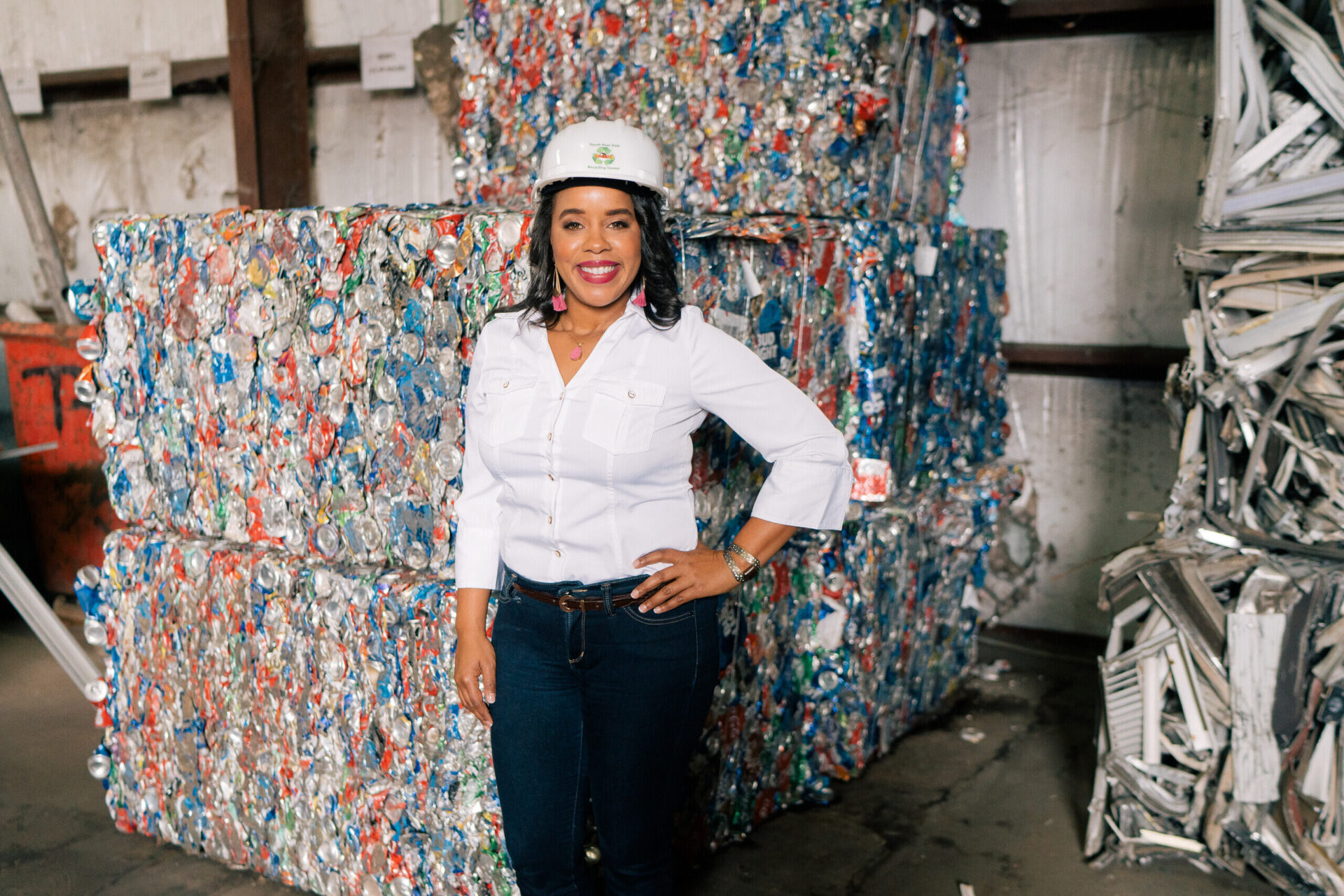
More than a decade after leaving the corporate world to take over her family’s Houston-based business, South Post Oak Recycling Center, Brandi Harleaux is uplifting and empowering her community through sustainability and job creation. Her Fortune 500 corporate knowledge has helped her to not only level up her family’s legacy but to also create positive and measurable impact. When Brandi isn’t serving as director-at-large for the Institute of Scrap Recycling Industries (ISRI), she is using her unique platform to support and advocate for more women in STEM, sustainability, and the recycled materials industry. 

“I’m proud of the contributions that my company makes to the community, specifically regarding the local economy,” Harleux told BE. “We are directly a part of the over 40,000 jobs that are created within Texas and the economic impact, which is $9.77 billion in this state.”

She added, “When people come and recycle their materials with us, they get money, and that money is then recycled right back into this community at gas stations, grocery stores, shopping malls, etc. We’re also local tax contributors who serve and give back to schools and churches, all with the hope of making the community more economically and socially sound.”

Chrystal Beasley: Helping Protect Global Ecosystems

The daughter of a chemical manufacturing employee, Chrystal Beasley was informed at an early age about the effects that toxic exposure and poor air quality have on minority neighborhoods like the one where she grew up. That’s why she centered her education around engineering, sustainability and environmentalism. Just over a decade into her career, she had already helped to mitigate sediments going into the Chesapeake Bay with the Maryland Department of the Environment, helped develop state permits and guidance documents for the discharge of oil and gas wastewater with the United States Environmental Protection Agency under the Obama administration, worked on the BP Oil Spill Emergency Response team in Washington, D.C. and helped to reduce and recycle hazardous materials at Dow Chemical. 

These days, Beasley is going back to the basics in order to prioritize sustainability. She is a farmer and beekeeper who assists with her family’s cattle ranching operations and timber trading on their heritage land. Learning from her own family’s challenges and triumphs, she was inspired to create BeAspire Enviro Consulting firm, where she uses her corporate expertise to empower Black businesses and landowners. Beasley exclusively serves Black families, many of whom are multi-generational heirs of land and property but need help generating income to clear property titles, finding resources to work the land, maintaining compliance, preserving safety and sustainability, and practicing conservation. 

“I have a corporate, government, and consulting background. That just helped me to build an understanding of what Black people are unknowingly being exposed to and the knowledge on how to go about advocating for policies for change. Somebody’s got to be there to help mitigate some of these issues and figure out solutions that are beneficial to all parties,” Beasley told BE.

Karena Poke: Serving Marginalized Communities

According to Karena Poke, despite the perceived absence of Black women in environmentalism, she is part of a thriving movement of African-American women serving marginalized communities through urban farming and community gardens. In 2014, she decided to open Lettuce Live: An Urban Farm Project, which does more than simply provide fresh produce in an area with limited access to healthy food. Poke told BE that urban farm projects like hers are meant to strengthen communities and build engagement.

Lettuce Live sells various herbs, produce, and fresh-cut flowers to customers onsite, local grocers, and restaurants. The organization also helps high school students to earn community service hours for college admissions requirements, provides free food for any patron diagnosed with cancer, organizes community workshops, hosts supply drives and distribution, and facilitates Dudes and Donuts, a monthly male mentoring event where sons of single mothers learn how to use common tools. 

“When I consult with people who are building community gardens, I say, find out what the needs are and figure out the different ways that you can serve that community,” Poke said. “The vision is bigger than food. Talk to the people. Who are you serving? What does that look like? For me, that’s what a community garden is; we don’t focus so much on growing food as we do growing people.”

Tamika Fletcher and Monique Mack: Clean Beauty, Natural Hair Care

Natural hairstylists Tamika Fletcher and Monique Mack noticed a void in the Black community and filled it with award-winning Earth’s Nectar Hair Care Products. Fifteen years ago, during the rebirth of the natural hair movement, the duo opened their first full-service natural hair salon in Houston. Not only did Fletcher and Mack want to improve the health and appearance of their clients’ hair, but they wanted to do so without the use of ingredients that were harmful to people and the planet. So, they launched Earth’s Nectar to advocate for healthier, cleaner, and more sustainable beauty options for all hair types.

Committed to the promotion of environmental sustainability, they have opened their first zero-waste beauty refillery, retail store, and natural hair care salon. Earth’s Nectar Hair Care Products sold in refillable, Eco-friendly packaging. The salon also features a DIY beauty bar where customers can purchase raw beauty ingredients by the ounce. 

“Being a Black woman has influenced my journey, driving me to challenge norms and fight for inclusion in spaces where our voices and beauty are still striving to be heard,” Fletcher shared with BE. “The strength and inspiration of Black women, especially my late mother, have shaped my professional journey. Their trailblazing spirit fuels my determination to overcome obstacles. Representation means more than just having a seat at the table; we deserve to (eat) actively participate and make an impact that benefits ourselves and our community.”

RELATED CONTENT: Morehouse Grad Starts Initiative For Sustainability In  Atlanta

Bigger in Texas: How Black Expo Founder Creates Path to Building Wealth


The first year Jerome D. Love hosted the Texas Black Expo, he ended up $100,000 in the hole. As a young graduate from the University of Texas at Austin with a new degree on his resume, Love was brazened, and nothing was going to stop him from bringing his bold ideas to life. Two decades later, he now has a track record of success as a real estate investor, sought after speaker, author and the producer of the largest Black business tradeshow in the southeastern United States.

The Texas Black Expo is an annual four-day trade show and business conference that connects Black businesses owners with potential customers, partners and investors. It also provides a platform for entrepreneurs to learn about the latest trends and network with other business leaders. Inspired by the Indiana Black Expo, Love has taken the event from a few hundred attendees to tens of thousands each year, contributing millions of dollars in economic activity for the Houston area.

In addition to the actual trade show, the Expo also features educational sessions for youth and teens, workshops on various business topics for aspiring and new entrepreneurs, social events and its flagship event, a corporate luncheon featuring a well-known businessperson. This year’s keynote speaker is NBA Hall of Famer and business icon Earvin “Magic” Johnson.

“We are ecstatic to have someone of Magic Johnson’s caliber supporting this event by speaking to attendees at the 20th anniversary of the Texas Black Expo,” Love said. “His life is a masterclass in resilience, ingenuity, tenacity and faith – all the characteristics necessary to be successful in business.”

Hosting the Texas Black Expo each year brings a level of personal satisfaction for Love, but it’s the knowledge that he’s fulfilling what he believes is a calling from God that keeps him going. His goal is to educate and empower Black business owners so they can not only contribute to their communities but also build generational wealth.

“It’s my belief that economic prosperity creates awesome communities, and what better way to create those awesome communities than through entrepreneurship? No one is coming to save us, so as African Americans, we have to strengthen ourselves. We have more opportunities now to build wealth than we have ever had, and I created a Black business tradeshow to make sure we don’t get left behind,” Love said.

The Texas Black Expo, which operates as a non-profit organization, offers programming year-round. When Hurricane Harvey ravaged the greater Houston area, TBE gave emergency micro-grants to business owners to help them stay afloat. Similarly, when the COVID-19 pandemic hit, he developed the We All Eat program, which helped local restaurants stay in business while providing free meals to families in need. That program alone was funded at a rate of over $10 million. A summer business camp for teens, free business consulting for start-ups, a pitch competition, college scholarships, a podcast and many other initiatives demonstrate the effectiveness of a person with a grand vision and faith to execute it.

“Honestly, I’m not special. I believe anyone can accomplish what I’ve accomplished, especially if you have faith in God and yourself, and you’re willing to brings others along for the ride,” Love said. “Working together is the best way for us to move the needle and lessen the wealth gap for Black people in this country.”

For more information about the Texas Black Expo, visit www.tbesummercelebration.com.

Steps Black Patients Can Take to Survive the U.S. Healthcare System

Steps Black Patients Can Take to Survive the U.S. Healthcare System


“The day my son was born in 1997 was the best and worst moment of my life,” says Houston communications consultant Erika Stuart. Fortunately, Stuart’s son came into the world safe and sound, but she will never forget how while in the hospital, her concerns were ignored by the attending nurse as she hemorrhaged after the delivery.

More than 20 years later, tennis great Serena Williams shared a similar story of dismissal by hospital staff where she said she “almost died,” suspecting blood clots in her lungs after the birth of her daughter, Olympia. Williams nearly became part of the statistic that Black women are three to four times more likely to die of pregnancy or delivery complications than white women in the United States.

Maternal mortality is only one facet of a larger issue around Black people receiving quality healthcare in the U.S. According to the Centers for Disease Control and Prevention, centuries of racism has had a “profound and negative impact on communities of color,” leading to vast inequities across a range of social and economic factors and significant risk for poor health outcomes.

“Systemic racism, inherent biases, and healthcare disparities create a bleak situation for Black people,” says Lisa Mallory, executive director of the National Association of Health Services Executives (NAHSE).

“Receiving equitable medical care for us can be an uphill battle, no matter who you are or where you come from.”

Consider the story of Dr. Susan Moore — a Black medical doctor who made national headlines in 2020 after her Facebook video went viral, alleging racial bias while admitted to Indiana University Health North Hospital in Indianapolis. Dr. Moore, who was being treated for COVID-19, was also experiencing severe neck pain. In her video, she described how her doctor ignored her concerns and made her “feel like a drug addict” after requesting pain medicine. Sadly, just three weeks after being admitted to the hospital, Dr. Moore passed away from COVID-19.

Dr. Moore’s experience is no surprise, given what we know. Research tells us that Black Americans are 34% less likely than white Americans to be prescribed opioids for backaches, abdominal pain, and migraines. In 2016, a scientific journal published research stating that half of medical students and residents believe in myths that Black people having thicker skin or less sensitive nerve endings than white people — another factor contributing to racial disparities in pain assessment and treatment.

Mallory asserts, “Although we as Black people continue to face deep challenges receiving the quality care we deserve, we do have the power to take charge of our medical experiences and wellness.”

Taking control

One of the first things patients can do to limit their interactions in the medical system is to maintain a healthy lifestyle. The leading causes of death worldwide are chronic diseases like cancer, cardiovascular disease, chronic obstructive pulmonary disease (COPD), diabetes, and stroke. According to the Cleveland Clinic, about 80% of chronic diseases are the result of lifestyle choices. Through healthy habits, you can slow or even reverse diabetes, obesity, hypertension, high cholesterol, and heart disease.

Second, consider getting another opinion for major medical issues and surgery. The healthcare journal BMJ Quality and Safety found that approximately 12 million adults are misdiagnosed in the U.S. every year. This is reason enough alone to explore a second opinion. Moreover, when your gut is telling you something feels “off” with your doctor or the diagnosis you’ve been given — don’t hesitate to talk to another doctor about it. You owe it to yourself to understand your diagnosis and treatment plan and to feel comfortable with the care you are receiving. Don’t settle. Challenge your doctor and even your insurance plan if it is necessary for you to get another medical opinion.

Also, if poor communication with your doctor is an issue, try to improve it. A recent study found that 75% of doctors believe they communicate satisfactorily with their patients. However, only 21% of their patients share this sentiment.

The first thing you can do before any appointment is to take notes and make sure you and your doctor discuss what’s on your mind. Have your questions ready, and make sure you understand what you’re being told. According to Dr. Leana Wen, author of When Doctors Don’t Listen: How to Avoid Misdiagnoses and Unnecessary Tests, another way to improve communication with your doctor is through storytelling. Also, consider taking a friend, family member, or person that can join in advocating for you. Sometimes we get caught up in emotions or a diagnosis, and everything else is foggy.

Wen explains that doctors typically end up asking about symptoms, which leads to patients responding to yes-no questions in place of telling their stories. For example, instead of just saying your stomach hurts, tell the story of when it started, if it’s been painful before, what you were doing when you first felt it, how it felt and how often you feel the pain. Wen says that over 80% of diagnoses can be made just by listening, and if patients are allowed to tell their stories, it can help them feel heard.

“It’s critical that Black people advocate for themselves and to speak up and be assertive when necessary to get the medical care they need,” says Mallory.

“You don’t have to settle. Do what you can to find medical providers you can trust, who make you feel comfortable and will listen to you. This is why NAHSE promotes greater participation of minority groups in the health field. Representation matters.”

Writer and communications specialist Erika Poplar contributed to this story.

Beloved Restaurant Provides Blueprint for All-Day Breakfast Spots


On any given day, when you step through the doors of The Breakfast Klub in Houston, you’re likely to see its owner, Marcus Davis, holding court with a few of its regular patrons or newbies visiting from out of town.

More than anything else, Davis loves people, and he especially enjoys engaging them in a good political debate or telling them stories of the early days when he opened his first restaurant at just 30 years old.

After 20 years in operation, The Breakfast Klub is not just a landmark in Houston’s Midtown neighborhood; it’s a staple of the community and a bucket list item to be crossed off by visitors traveling to the Bayou City. It’s at once an art gallery where Black artists can display their wares; a safe space where community leaders and politicians can have a meeting of the minds; and a refuge for a weary soul in search of a good meal.

(The Breakfast Klub)

It’s not uncommon these days to see chicken and waffles or catfish and grits on a breakfast menu, but back in 2001, when Davis opened The Breakfast Klub, the idea of an independent restauranteur serving all-day breakfast was relatively new. Davis says The Breakfast Klub helped lay the groundwork for similar restaurant concepts in other cities.

“I’ve actually had people thank me for inspiring them to open their own restaurants. Now you can go to places like Atlanta or D.C., and see our influence there,” Davis said.

So what’s the secret sauce to the longevity of The Breakfast Klub? Surprisingly, it has less to do with food and more to do with business.

“Some people think that because they can cook well, they should open a restaurant, but if you don’t know how to actually run a restaurant as a business, you could be setting yourself up for failure. There’s so much more to it than creating food that tastes good,” Davis said.

Davis and his wife Mel also believe in diversifying their offerings. In addition to the restaurant’s menu, The Breakfast Klub also has its own brand of products customers can use at home, including premium coffee, fish fry, chicken coating, seasoning, and pancake and waffle mix.

The COVID-19 pandemic has ravaged the restaurant industry to the point where many are having a tough time staying afloat, and many have had to close their doors altogether. While other eateries scramble to find employees willing to show up to work, the staff members at The Breakfast Klub see their jobs as a badge of honor and pride.

“We don’t tend to have a high turnover rate because people actually like working here. Our staff is like a family, and just like any family, some personalities may conflict from time to time, but at the end of the day, it’s all love,” Davis said.

That family atmosphere isn’t limited to just the employees. Every customer is treated like an old friend, no matter their pedigree. It’s true that many high profile people who come to town make sure to stop at The Breakfast Klub, namely Hip Hop icons Run DMC, and even the Queen B herself, Beyonce.

If you think The Breakfast Klub is just a restaurant serving grits and eggs all day, then you’ve missed the true experience of what it means to be inside a place that has stood strong for two decades amid massive construction, gentrification, one of the most destructive hurricanes in history (Hurricane Harvey) and a global pandemic.

The restaurant industry can be grueling, especially in a city where people literally have tens of thousands of choices of where to eat every day. The fickle tastes of Houstonians can lead to an establishment opening and closing in just a year or two, so it’s not small feat to keep customers coming back for two decades.

“The beautiful thing about having been in business for 20 years is that I love it even more today than I did when we started. It’s like marriage. It’s going through the good times and the bad times and coming out stronger that makes the journey worthwhile,” Davis said.

In true fashion, Davis kicked off The Breakfast Klub’s 20th anniversary with a nod to the community that has made him a celebrity of sorts in his city and that has made The Breakfast Klub a recognizable name throughout the country. His Day of Inspiration Community Festival brought together motivational speakers, musical acts, spoken word performances and visual artists, all to uplift the people of Houston.

“As a city, we’ve gone through a lot the past couple of years, just like a lot of other cities throughout the country, so if there’s something I can do to put a smile on the faces of the people who’ve supported us over the years, I’m happy to do it.”

Engineer Builds Million-Dollar Beauty Empire and Teaches Women to Secure Their Futures

Engineer Builds Million-Dollar Beauty Empire and Teaches Women to Secure Their Futures


When Lyndsey Brantley began her career as a structural engineer, she never dreamed that more than a decade later, she’d be a thriving entrepreneur running her own million-dollar beauty empire and teaching other women how to do the same.

We caught up with her to talk about how she transitioned from a corporate job to running an all-natural skincare and beauty education company, Camellia Alise.

What motivated you to leave engineering as a career to pursue the competitive beauty industry?

Well, I have a condition called PCOS (polycystic ovary syndrome), which caused me to have issues with my skin. Not only did I suffer with acne, but I also had excess hair growth that led to ingrown hairs and razor bumps when I’d try to get rid of the hair. I tried so many products, both over the counter and prescription, and nothing seemed to really work. I decided to do some research on my own and literally concoct a solution in my kitchen using natural ingredients. I was having more success with my own creation than with commercial products, and I knew there were a lot of people out there like me with the same condition, so I decided to see if I could sell my own products.

How did your experience as an engineer help you start a beauty business?

Engineers are taught to see everything in systems. We learn how to break down big concepts into smaller iterations, which I think is important to building a business. Engineers are literally taught how to build things, so whether it’s a physical structure or a business, the foundational elements are somewhat similar.

I want people to have the best skin they can possibly have because having problem skin can definitely affect your self-confidence. We now offer products to help prevent razor bumps and ingrown hairs and cleansers to clear up skin problems such as acne scars, stretch marks, and cellulite.

The beauty industry is a multibillion-dollar industry, and it hasn’t always been kind to women of color, especially Black women. How do you empower other women who are interested in this field?

Educating women on how to break into the beauty industry is probably what I love most about what I do, which is why I created the Camellia Alise Academy. We have women from all over the country and even different parts of the world who travel to Houston to take our certification classes. We’re actually getting ready to host a summit in Houston that will further educate women on starting their own companies, and we’re taking our classes on tour to New York, Los Angeles, Seattle, Dallas, and Orlando. When we teach women various body contouring methods, we’re not just giving them tools to start a business; we’re giving them a pathway to change their lives, and there’s no better feeling than that.

A lot of Black-owned businesses had to shut down during COVID. Given that you have a brick-and-mortar business, how did you stay alive during the pandemic, and how are you keeping the doors to your company open?

Because we also have a spa, we were mandated to close for a while when the pandemic first hit. That was worrisome, not only because we offer in-person body contouring services, but we also have certification classes for people who want to get into this industry. With our doors closed, I had to think of something quickly to make sure we didn’t go under. Since we already had a process in place to make our skincare products, we pivoted to start making hand sanitizer at a time when there wasn’t much of it to go around, and we also increased our e-commerce sales and marketing efforts to boost product sales at the time we needed it the most. Coming up with creative ideas definitely helped us.

Once we were able to reopen and start taking clients inside our studio again, we went back to making our regular products and offerings or normal wellness and detox services such as non-invasive laser lipo, skin tightening, foot detoxes, yoni steams, and facials.

What’s your goal for your company?

I want Camellia Alise to be a household name for natural beauty and beauty educational services because that’s what sets us apart. Our products are a natural option to what’s currently sold in stores, our body contouring services are a safer alternative to invasive surgeries, and our educational services help clients and potential spa owners to fill in their knowledge gaps in the beauty industry. People want to look their best without putting their health at risk and make educated choices on what’s best for them; it’s our mission to help them do that.